





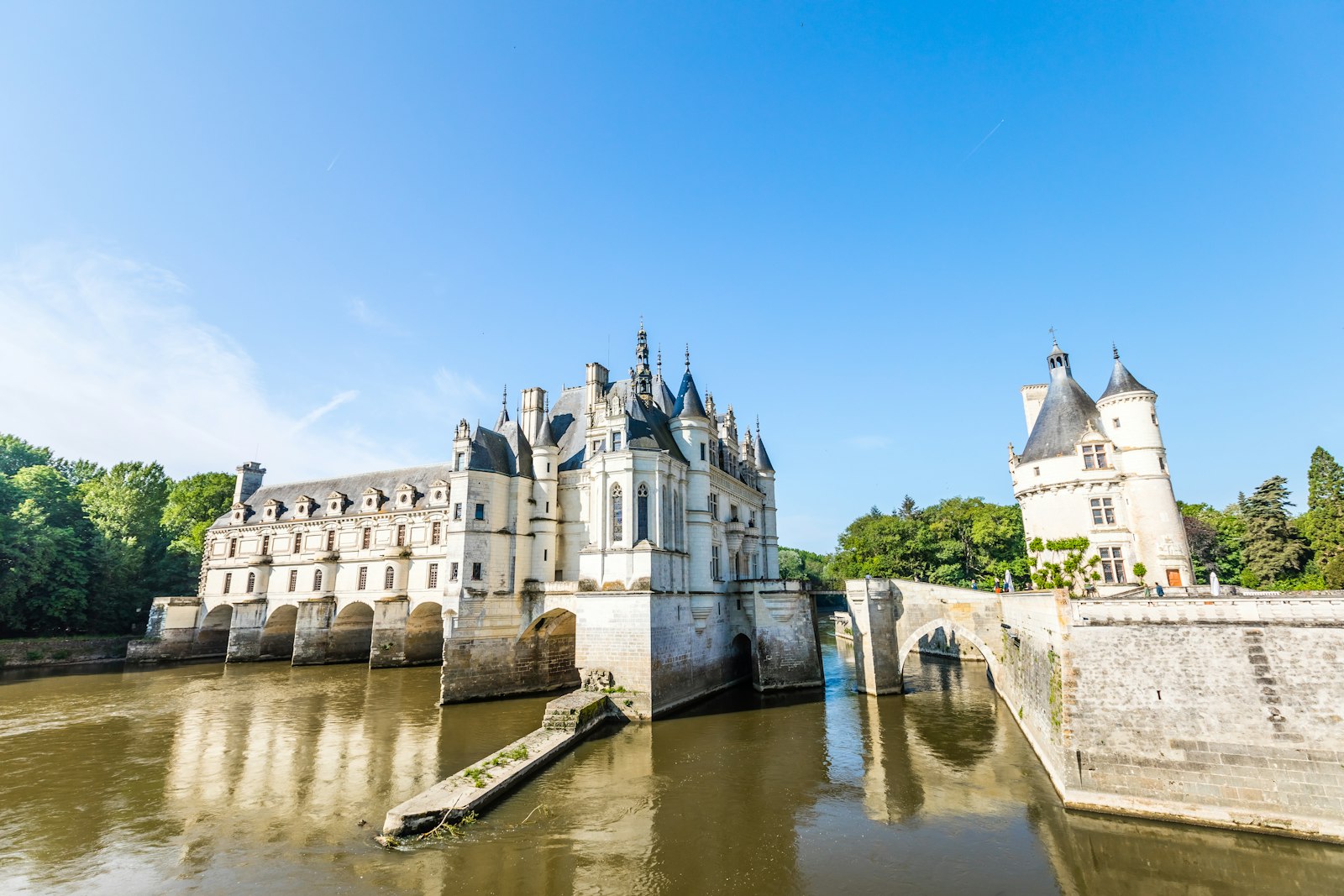
Centre-Val de Loire Region: will you fall in love?
Somewhere between Paris and the Atlantic, a region unfolds where royal châteaux mirror themselves in slow rivers, where cathedral spires rise above medieval streets, and where a two-bedroom stone house can still be purchased for the price of a Parisian studio. Have you ever wondered why the French themselves speak of this area with such quiet affection? The Centre Val de Loire holds a particular place in the national imagination, and increasingly in the plans of international buyers looking for a French home that combines beauty, accessibility, and reasonable prices.
For an American reader picturing France beyond Paris and Provence, this region offers something rare: a landscape of world-heritage châteaux, six main departments, and towns of real substance where daily life still feels grounded. Let’s walk through it together.
The Identity and Geography of Centre Val de Loire
The region stretches across the heart of France, gently rolling from the outskirts of the Île-de-France down to the edges of the Massif Central. Its identity is shaped by one great presence: the Loire, France’s longest river, listed by UNESCO along a 280-kilometer stretch known as the Val de Loire (Loire Valley).
A central position on the French map
Centre Val de Loire covers six departments: Cher, Eure-et-Loir, Indre, Indre-et-Loire, Loir-et-Cher, and Loiret. Orléans serves as the regional capital, while Tours often plays the role of cultural and touristic anchor. The region borders Île-de-France to the north, Normandy and Pays de la Loire to the west, Nouvelle-Aquitaine to the south, and Bourgogne-Franche-Comté to the east. That central location is not just symbolic; it is a practical asset for anyone thinking about mobility.
Landscapes that shift as you drive
Within an hour, the scenery can move from the wheat plains of the Beauce to the wooded valleys of the Sologne, from the vineyards of Sancerre to the softer light of the Touraine. There are no seacoasts and no true mountains here, but forests cover close to a quarter of the territory, and the Loire and its tributaries carve a network of navigable, cycle-friendly valleys.
Climate and the Rhythm of the Seasons
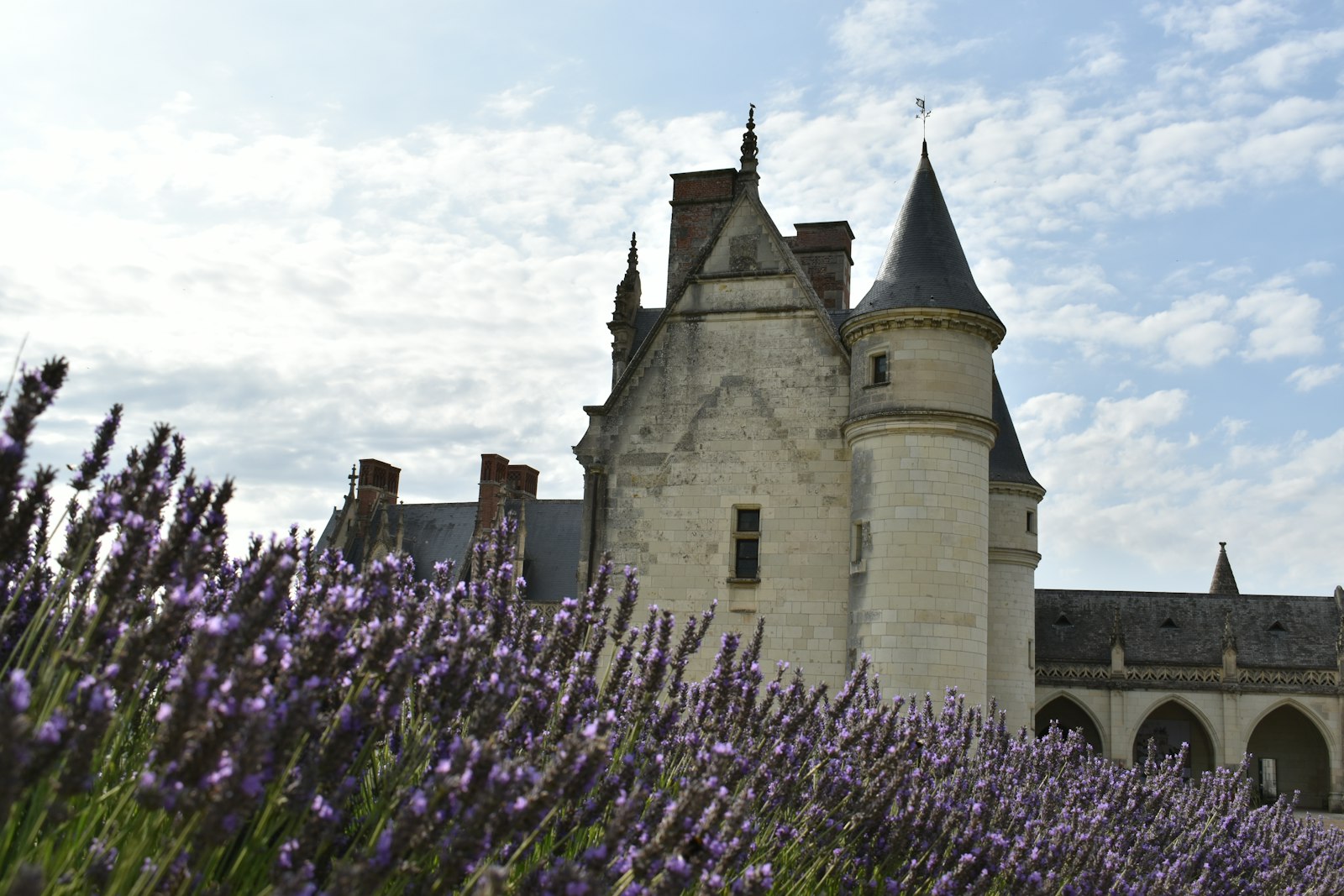
Weather is often an underestimated part of a life project. In Centre Val de Loire, the climate is oceanic with a slight continental influence, which translates into four clearly marked seasons without extreme swings.
Temperatures throughout the year
Winters are cool but rarely harsh, with average lows around 1 to 3°C (34 to 37°F) in January and occasional light snowfall. Summers are warm and pleasant, with average highs of 25 to 27°C (77 to 81°F) in July, and heat peaks that can climb higher during summer waves. Spring and fall are the region’s quiet stars: long, luminous days, mild temperatures, and the gentle light that painters have chased for centuries.
What this means for daily living
Gardens thrive, terraces are usable from April to October, and heating costs remain reasonable compared with more northern regions. If you are considering a stone farmhouse or a townhouse with a courtyard, the climate is genuinely conducive to outdoor living for a large part of the year.
Weather, month by month
Average temperature and rainfall across the year (indicative climate normals, Tours).
Economy, Demographics, and Employment
Behind the postcard, Centre Val de Loire is a working region with a diversified economy and roughly 2.6 million inhabitants. Understanding the local economic fabric matters, especially if you are thinking about long-term appreciation or occasional rental.
Analysis of the employment basins
The regional economy rests on several strong pillars:
- Tours and Orléans: services, higher education, research, healthcare, and cosmetics (the “Cosmetic Valley” cluster is based here).
- Chartres: pharmaceuticals, perfumery, and logistics thanks to its proximity to Paris.
- Bourges and Châteauroux: aerospace, defense, and precision industry.
- Blois and the Loir-et-Cher: tourism, viticulture, and specialty agriculture.
- Sologne and rural Cher: agriculture, forestry, and hospitality.
Unemployment tends to run slightly below the national average in the more dynamic basins around Tours, Orléans, and Chartres, which supports steadier rental demand and resale liquidity.
A demographic profile that reassures
The population is stable to gently growing in the northern half, closer to Paris, while more rural departments like Indre and Cher face slower demographics. For buyers, this contrast is useful: dynamic urban markets on one side, quieter and more affordable rural markets on the other, each with its own logic.
→ On the ground
If your project mixes personal use and occasional rental, focus on towns with a real employment basin and a student or tourist flow. That combination is what keeps a property useful twelve months a year.
Where is Centre-Val de Loire on the map?
Here is Centre-Val de Loire outlined on the map of France.
Accessibility: TGV, Airports, and Roads
One of the quiet strengths of Centre Val de Loire is how easy it is to reach, both from within France and from abroad. For a second home run remotely, this matters enormously.
High-speed rail and regional trains
TGV service connects Tours to Paris in about 1 hour, Vendôme to Paris in around 40 minutes, and Bourges or Orléans to the capital in 1 to 2 hours by regional express. The TER network (regional express trains) knits together the main towns, and stations like Saint-Pierre-des-Corps near Tours act as major junctions toward Bordeaux, Nantes, and the south.
Airports and international access
Paris-Orly and Paris-Charles de Gaulle are both within reasonable driving or train distance, offering direct flights from the United States, Canada, and the UK. Tours-Val de Loire airport handles seasonal European routes, and airports in Nantes, Poitiers, and Limoges widen the options for southern departments.
Roads and borders
The A10, A11, A20, A71, and A85 motorways cross the region, placing Belgium, Switzerland, and Spain within a day’s drive. If your family lives elsewhere in Europe, this central location is a practical advantage you will appreciate over time.
Nature, Heritage, and Art de Vivre
This is where Centre Val de Loire truly earns its reputation. Few French regions concentrate as much heritage per square kilometer, and even fewer combine it with such generous natural spaces.
Forests, rivers, and open country
The Sologne forests, the Orléans forest (one of the largest state-owned forests in France), and the Brenne wetlands (nicknamed the “land of a thousand ponds”) create a network of protected landscapes. Cycling along the Loire à Vélo route, canoeing on the Cher, or hiking through the vineyards of Vouvray are genuine weekend habits here.
Châteaux, cities, and cathedrals
Chambord, Chenonceau, Amboise, Villandry, Cheverny, Chaumont: the châteaux of the Loire are only the most famous chapter. Chartres cathedral, the medieval streets of Bourges, the royal city of Loches, and the old town of Tours anchor a heritage that shapes everyday life. You do not just visit these places; you live near them, and that proximity slowly changes your rhythm.
Food, wine, and quiet customs
Sancerre, Chinon, Bourgueil, Vouvray, Menetou-Salon: the region produces some of France’s most refined wines. Add goat cheeses (Crottin de Chavignol, Sainte-Maure de Touraine), river fish, game from the Sologne, and pastries like tarte Tatin, invented in the Loiret, and you have a culinary landscape that is elegant without being showy. Local dialect has largely disappeared, but the French spoken here is often cited as the clearest and most classical in France, a small detail that will please anyone learning the language.
Real Estate Market and Property Prices
Prices in Centre Val de Loire remain among the most reasonable in mainland France, especially for the quality of housing stock: stone longères, tuffeau-stone townhouses, small manors, and village houses with gardens.
Average prices per square meter
Here is a synthetic view of indicative price ranges for existing properties in the main towns, based on recent market observations:
| City | House (€/m²) | Apartment (€/m²) | Indicative gross rental yield |
|---|---|---|---|
| Tours | 3,200 – 4,200 | 2,900 – 3,800 | 4.5% – 5.5% |
| Orléans | 2,600 – 3,400 | 2,400 – 3,100 | 5% – 6% |
| Chartres | 2,400 – 3,100 | 2,200 – 2,800 | 5% – 6.5% |
| Blois | 1,900 – 2,600 | 1,800 – 2,400 | 5.5% – 6.5% |
| Bourges | 1,400 – 2,000 | 1,300 – 1,900 | 6% – 7.5% |
| Châteauroux | 1,100 – 1,600 | 1,000 – 1,500 | 6.5% – 8% |
| Amboise | 2,700 – 3,600 | 2,500 – 3,300 | 4% – 5% |
These figures are indicative and vary significantly by street, condition, and heritage character. Rural properties in Sologne, Berry, or the outskirts of the main towns can start well below these averages, sometimes from €800 to €1,200 per square meter for a property to restore.
Recent market evolution
Over the past five years, prices in the region have followed a pattern typical of secondary French markets: a notable rise during the post-pandemic period, followed by a stabilization phase. Tours and its inner suburbs held up best, driven by student demand and TGV commuters. Rural departments have seen prices soften slightly, opening a window for buyers with a clear renovation plan.
→ Worth knowing
Rental yield figures shown are gross and indicative; the net picture depends on the taxe foncière (local property tax), management costs, and the vacancy rate specific to each neighborhood.
Attractive Cities to Consider
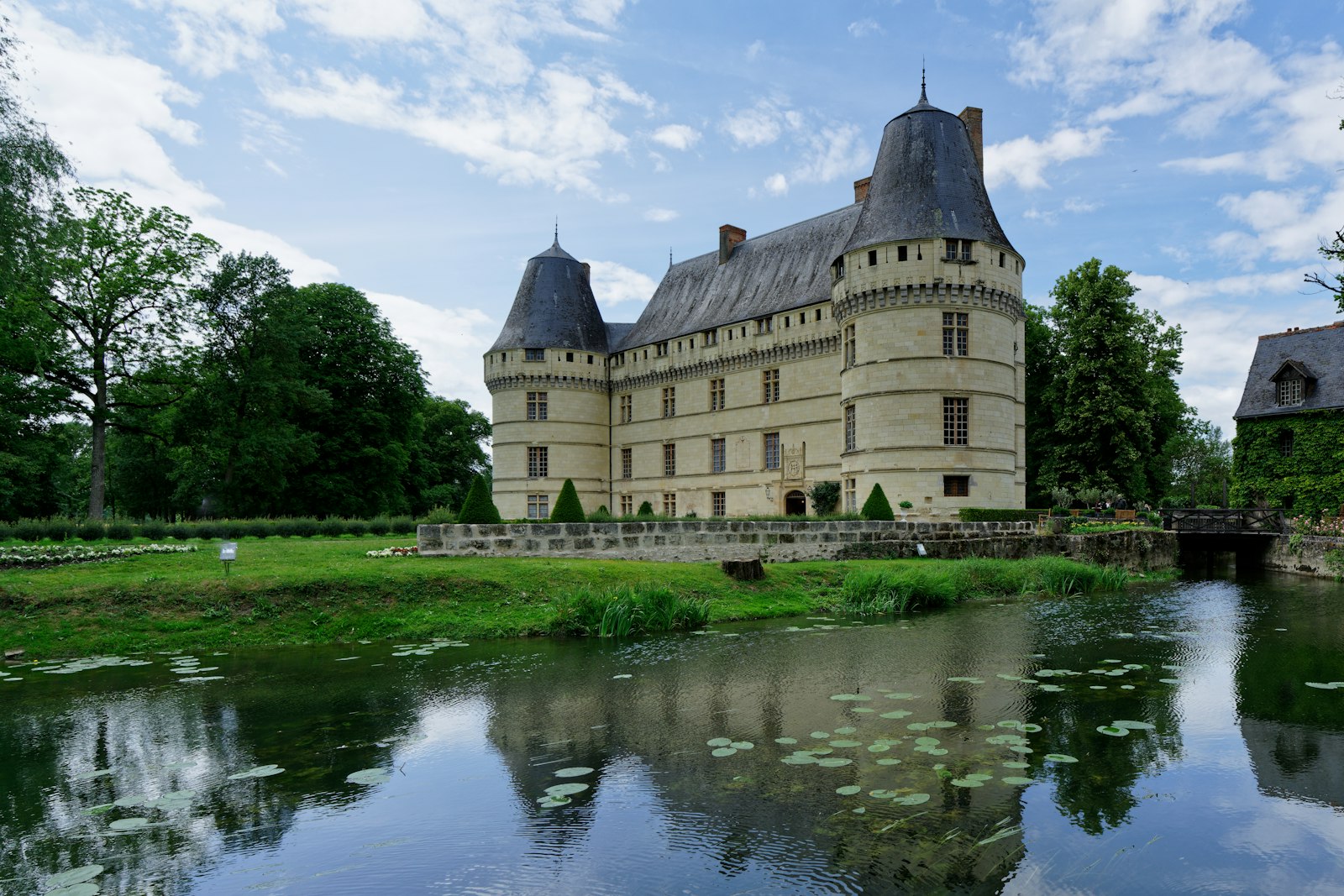
Choosing where to buy within the region depends on your priorities: heritage, connectivity, price, or rental potential. A few towns stand out for international buyers.
Tours and its Loire Valley
Tours is the most balanced choice for many buyers: a lively student city, one hour from Paris by TGV, with a beautifully preserved historic center and immediate access to the châteaux. Nearby Amboise, Chinon, and Loches offer smaller scale and stronger tourism appeal.
Orléans and the Loiret
Closer to Paris and increasingly popular with executives working part-time in the capital, Orléans combines a restored medieval core, a good tram network, and prices still well below Parisian levels. Villages along the Loire east of the city can be excellent value.
Chartres, Blois, Bourges
Chartres appeals to those seeking a photogenic town near Paris; Blois offers a striking château and prices that remain accessible; Bourges, further south, is often chosen for its remarkable heritage, calm atmosphere, and strong rental yields relative to purchase price.
Five Reasons to Live in Centre Val de Loire
If you are still weighing whether this region matches your life project, here are five concrete reasons that come up again and again with our clients.
- Central location: Paris in an hour, Bordeaux, Lyon, and the Atlantic coast within a half-day.
- Reasonable prices: stone houses with gardens for budgets that would buy a studio in Paris or a small condo in Manhattan.
- Exceptional heritage: UNESCO-listed landscapes, royal châteaux, cathedrals, and vineyards on your doorstep.
- Balanced climate: four real seasons, no extremes, and outdoor living from spring through fall.
- Quality of life: good schools, respected universities, dependable healthcare, and towns on a human scale.
Is Centre Val de Loire Right for You? A Five-Question Quiz
Before organizing viewings, it can help to test your intuition. Answer honestly; there are no wrong answers, only a clearer sense of fit.
The questions
- When you picture your French home, do you see stone walls, a garden, and a village church tower nearby? (Yes / Somewhat / No)
- Is being within one to two hours of Paris a real practical advantage for your travel patterns? (Yes / Somewhat / No)
- Do you value cultural depth (châteaux, museums, wine estates) more than beach or ski access? (Yes / Somewhat / No)
- Are you comfortable with a purchase budget between €200,000 and €600,000 for a characterful main property? (Yes / Somewhat / No)
- Would you enjoy a region where daily life is calm, food and wine are central, and the pace is deliberately slower than a major capital? (Yes / Somewhat / No)
How to read your answers
Mostly Yes: Centre Val de Loire is very likely aligned with your project. It is time to define priorities among towns and villages.
Mixed: the region can still be a strong fit, but a conversation about specific sub-areas (Touraine, Loiret, Berry) will sharpen the picture.
Mostly No: your project may lean more toward the coast, Provence, or the Alps. That is useful clarity too.
Turning Interest into a Real Project
Centre Val de Loire is not the loudest region in France, and that is precisely its charm. It offers a rare combination: heritage that inspires, prices that remain approachable, a central location that keeps you close to Paris and to the rest of Europe, and a daily rhythm shaped by rivers, forests, and small stone towns. For buyers seeking a French home rather than a speculative asset, few regions align so many advantages.
Whether you are drawn to a townhouse in Tours, a longère in the Sologne, or a village house within sight of a château, the next step is to translate that inspiration into a clear plan: budget, area, use, timeline. If you would like guidance from a team on the ground, we can help you map your options with clarity and take your project forward, from first shortlist to keys in hand, entirely handled in English. Your French home in Centre Val de Loire may be closer than you think.