





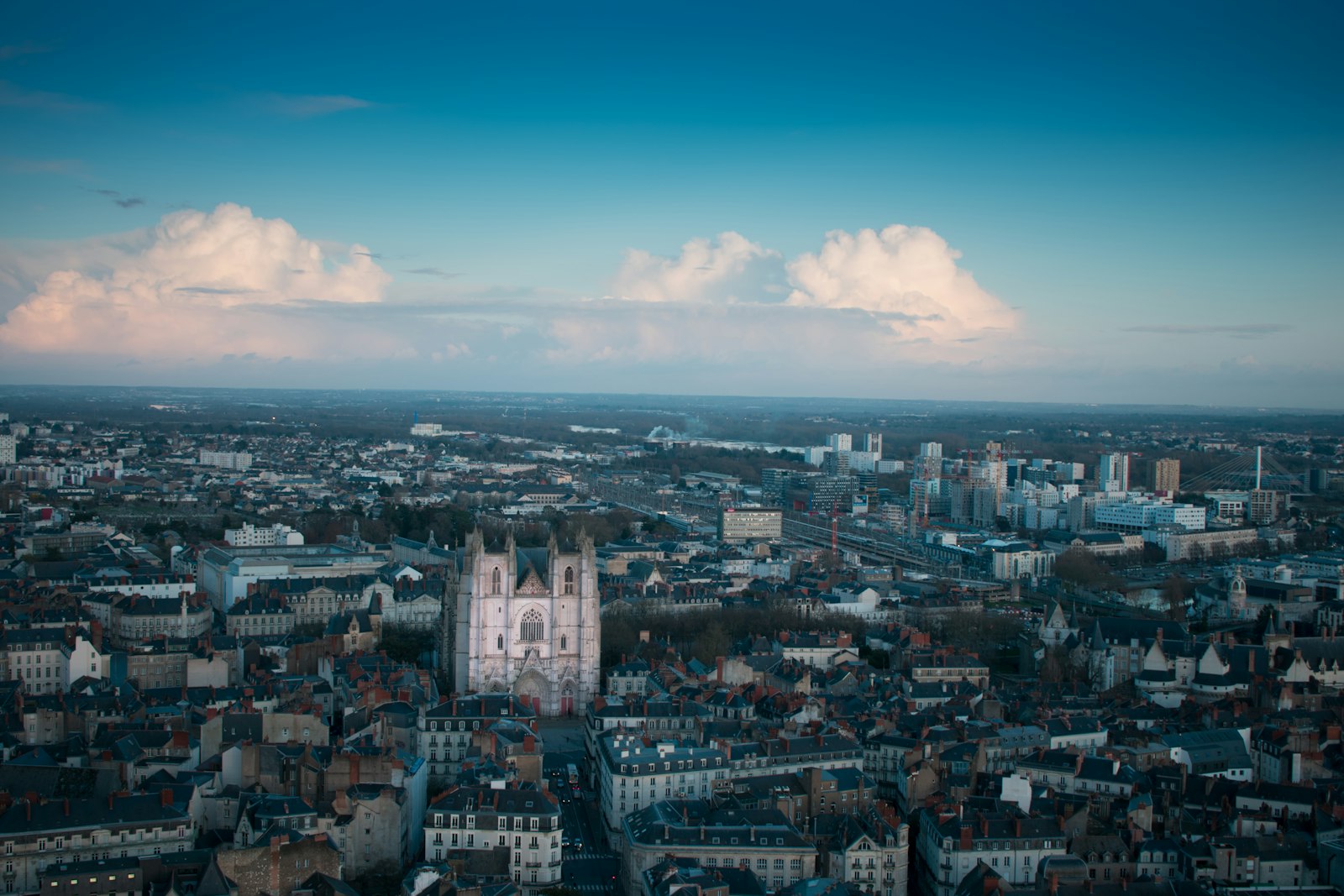
Pays de la Loire Region: will you fall in love?
Imagine a region where the Atlantic meets vineyards, where châteaux stand along quiet rivers, and where the second-largest French city by quality-of-life rankings sits an hour and a half from Paris by train. That region exists, and it stretches from the salt marshes of Guérande to the tuffeau cliffs of Saumur. Welcome to the Western Loire (Pays de la Loire), a five-department area that has quietly become one of the most balanced places in France to build a life project, a second home, or a long-term real estate footprint.
For international buyers looking beyond Provence or the Dordogne, the Western Loire (Pays de la Loire) offers something rare: authentic French art de vivre, a stable economy, mild weather, and property prices that still leave room to breathe. Let’s walk through what makes this region worth your attention.
The identity and geography of the Western Loire (Pays de la Loire)
The region gathers five departments: Loire-Atlantique, Maine-et-Loire, Mayenne, Sarthe, and Vendée. Together they form a bridge between Brittany, Normandy, the Center-Val de Loire, and Poitou. The Atlantic coast runs for nearly 450 kilometers along the western edge, while the Loire River threads through Nantes, Angers, and Saumur inland.
A patchwork of landscapes
You will not find dramatic mountains here, but you will find a genuine variety of terrain within a short drive. The Vendée coastline offers long sandy beaches and Atlantic islands like Noirmoutier and Yeu. Inland, the Anjou vineyards roll gently toward the Loire Valley. To the north, the bocage (a landscape of small hedged fields and country lanes) of Mayenne and Sarthe feels genuinely rural, quiet, and green.
Forests, rivers, and coastline
Forests such as Brocéliande’s neighbors, the Forêt de Bercé in Sarthe, and the Bois de la Salle in Vendée cover meaningful ground. The Erdre, the Sarthe, the Mayenne, and of course the Loire itself all offer navigable stretches, riverside villages, and slow-tourism appeal. And along the coast, the marshes of Guérande still produce hand-harvested sea salt, a craft protected for centuries.

Climate: mild, oceanic, and livable year-round
The Western Loire (Pays de la Loire) sits in an oceanic climate zone, which means moderate temperatures, no extreme heat waves like the south, and no harsh winters like the east. It’s one of the reasons buyers who spend part of the year in France gravitate here.
Temperatures across the seasons
Summers average 22 to 26°C along the coast, occasionally climbing to 30°C inland around Angers and Saumur. Winters stay mild, typically between 4 and 9°C, with frost more common in the interior than on the coast. Rainfall is spread across the year, more frequent than in Provence but less than in Brittany. Snow is rare and rarely settles.
What that means for a home
A mild climate translates into lower heating costs, gardens that stay green from spring through autumn, and outdoor living from April to October. For anyone weighing energy performance, this is a comfortable region for older stone homes to be brought up to modern DPE (the French energy performance rating) standards without extreme insulation costs.
→ Good to know
Properties within 20 kilometers of the Atlantic coast tend to hold their value more consistently than those in deep rural pockets, thanks to steady seasonal demand and second-home interest.
Weather, month by month
Average temperature and rainfall across the year (indicative climate normals, Nantes).
Economy and employment: a diversified, resilient base
The Western Loire (Pays de la Loire) is often ranked among the top three French regions for unemployment (consistently below the national average) and for economic dynamism. That matters if you plan to live here full-time, rent out a property, or invest for the long term.
Analysis of the main employment basins
Four employment basins stand out. Nantes is the regional engine, with strong sectors in digital, aerospace (Airbus has a major site there), biotech, and finance. Angers has built a European reputation in plant sciences (Végépolys Valley) and healthcare. Le Mans hosts insurance headquarters (MMA, Groupama) and a growing logistics sector. La Roche-sur-Yon and the Vendée coast lean on tourism, boat-building, and agri-food.
A stable demographic curve
The region gains roughly 25,000 to 30,000 new residents per year, driven by young families around Nantes and retirees along the Vendée coast. That mix supports both the rental market and long-term resale value.
Where is Pays de la Loire on the map?
Here is Pays de la Loire outlined on the map of France.
Accessibility: how easily you can get here
For an international buyer, travel time matters as much as the view from the terrace. The Western Loire (Pays de la Loire) is well connected on every front.
TGV, airports, and roads
- TGV: Paris to Nantes in 2h05, Paris to Angers in 1h30, Paris to Le Mans in under an hour.
- Airports: Nantes Atlantique handles more than 7 million passengers a year, with direct flights to London, Dublin, Amsterdam, Madrid, Barcelona, and dozens of other European cities. Angers-Loire and Le Mans-Arnage handle regional and charter traffic.
- Ports and ferries: Saint-Nazaire is a major Atlantic port, and ferry connections to the UK via Saint-Malo (Brittany, just north) or via Cherbourg (Normandy) are within a two-hour drive.
- Roads: The A11, A83, A87, and A28 motorways connect the region to Paris, Bordeaux, Rennes, and the Spanish border efficiently.
Practical implications for buyers
You can leave central London in the morning and be having dinner in a village near Angers the same evening. That kind of accessibility is what turns a second home into a genuinely usable one.
Culture, history, and heritage
Few French regions carry a heritage this dense without feeling like an open-air museum. The Loire Valley UNESCO listing runs through Anjou. Nantes was the historic seat of the Dukes of Brittany. Le Mans preserves one of the finest Gallo-Roman walled cities in Europe.
Châteaux, cathedrals, and abbeys
The Château d’Angers, with its Apocalypse Tapestry, the Château de Saumur perched above the river, and the Abbey of Fontevraud (burial place of the Plantagenet kings) are among the most visited monuments. Countless smaller manors, logis, and fortified farms remain in private hands and occasionally come to market.
Language, customs, and local character
French is of course the daily language, and English is widely spoken in Nantes and Angers, less so in rural Mayenne or interior Vendée. Regional dialects like gallo (in the western fringes) and angevin influences survive mostly in place names and local expressions. Culturally, the region blends Breton independence, Angevin refinement, and Vendée pride: expect strong local identity, warm hospitality once trust is built, and a genuine café and market culture in every town.
Quality of life and things to do
What does daily life actually look like? A morning at the market in Guérande, an afternoon cycling the Loire à Vélo route, an evening tasting Saumur-Champigny with the winemaker who grew the grapes. The region rewards a slower pace.
Outdoor activities
Surfing and sailing along the Vendée coast, kayaking on the Mayenne, hiking the Coteaux du Layon, cycling nearly 800 kilometers of dedicated bike paths, horse riding in the Sarthe woodlands. Golfers have more than 25 courses to choose from across the five departments.
Food, wine, and markets
Muscadet, Anjou, Saumur, and Coteaux du Layon are the flagship wine appellations. Local products include Guérande salt, Nantes butter cake (gâteau nantais), rillauds from Anjou, and Vendée ham. Weekly markets in Angers, Nantes, Sablé-sur-Sarthe, and Les Sables-d’Olonne are institutions worth planning your week around.
→ On the ground
When we visit a property with clients, we always plan a stop at the nearest market on a Saturday morning. It tells you more about a village in 30 minutes than any brochure.
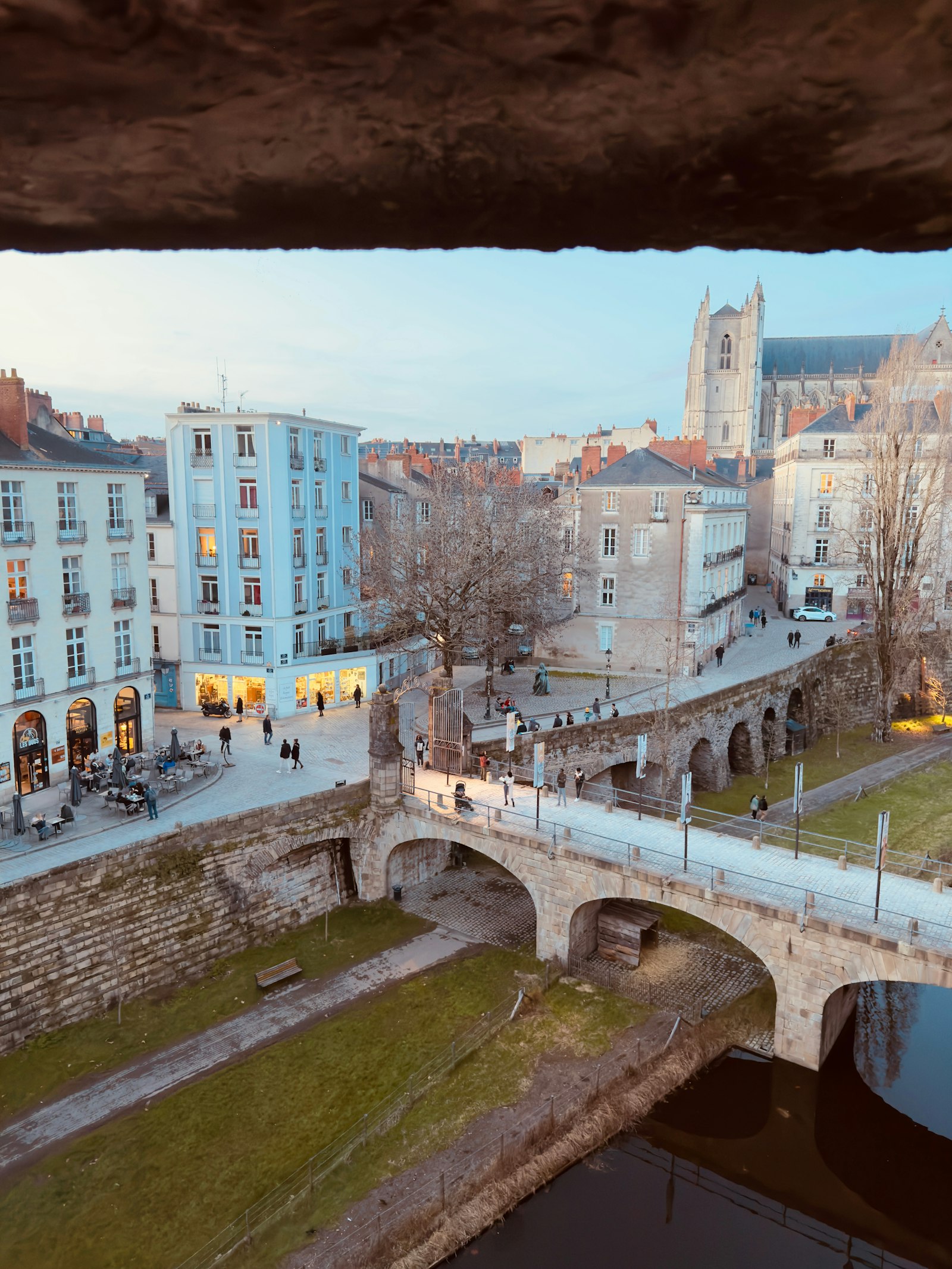
Five reasons to live in the Western Loire (Pays de la Loire)
If you are weighing this region against others, here is a distilled view of what tips the balance for most of the buyers we work with.
The short list
- Balanced climate: mild winters, warm but not scorching summers, and a long outdoor season.
- Real accessibility: TGV to Paris in under two hours, an international airport, and easy links to the UK and the rest of Europe.
- Economic stability: low unemployment, a diversified job market, and steady population growth.
- Heritage and landscape variety: châteaux, vineyards, forests, rivers, and 450 kilometers of Atlantic coast within a two-hour drive.
- Property value: price per square meter that still leaves room for renovation, character, and gradual appreciation.
Real estate opportunities and market prices
The Western Loire (Pays de la Loire) market has grown steadily over the past several years, with meaningful variations depending on city, coast versus interior, and property type. Here’s a synthesis of average prices per square meter, based on recent notarial data.
Prices per square meter and rental yields
| City | Avg. price €/m² (house) | Avg. price €/m² (apartment) | Indicative gross rental yield |
|---|---|---|---|
| Nantes | 4,200 to 4,800 | 3,800 to 4,500 | 4.0 to 5.0% |
| Angers | 3,000 to 3,600 | 2,800 to 3,400 | 4.5 to 5.5% |
| Le Mans | 1,800 to 2,300 | 1,700 to 2,200 | 6.0 to 7.5% |
| La Baule | 6,500 to 9,000 | 5,500 to 8,000 | 3.0 to 4.0% |
| Les Sables-d’Olonne | 4,500 to 6,000 | 4,200 to 5,500 | 3.5 to 4.5% |
| Saumur | 1,700 to 2,400 | 1,600 to 2,300 | 5.5 to 7.0% |
| Laval (Mayenne) | 1,600 to 2,100 | 1,500 to 2,000 | 6.0 to 8.0% |
Over recent years, the coastal Vendée and Loire-Atlantique markets have appreciated the most, driven by second-home demand. Interior markets like Sarthe and Mayenne remain more accessible and are where the strongest gross rental yields sit, though liquidity is slower.
The main cities to consider
Nantes and its metropolitan area
The economic capital of the region. Elegant 19th-century architecture, a strong tech ecosystem, and a young demographic. Villages like Vertou, La Chapelle-sur-Erdre, and Sainte-Luce-sur-Loire offer a quieter setting with quick access to the city.
Angers and the Loire Valley
Consistently ranked among the top French cities for quality of life. Angers combines vineyards, châteaux, a university atmosphere, and a manageable size. Nearby, Saumur and its surroundings offer troglodyte houses and manor properties at attractive prices.
The Vendée coast
Les Sables-d’Olonne, Noirmoutier, Saint-Gilles-Croix-de-Vie, and the Île d’Yeu form the coastal heartland. Strong seasonal rental demand, protected shoreline, and a steady second-home market.
Le Mans and Sarthe
Beyond the famous 24-hour race, Le Mans offers a preserved historic center, low entry prices, and TGV access to Paris in under an hour. Excellent value for buyers who prioritize accessibility and character over coastal exposure.
→ The key point
Coastal Vendée gives you liquidity and lifestyle; interior Anjou and Sarthe give you space, character, and yield. Your priority should guide the department, not the other way around.
Is the Western Loire (Pays de la Loire) right for your profile? A 5-question quiz
Every buyer we work with has a slightly different priority. Take a moment with these five questions, count your answers, and see where you land.
The quiz
1. How often do you plan to visit or use your French home?
A) Several times a year, short stays
B) One or two long stays per year
C) I plan to live there most or all of the year
2. What kind of setting appeals to you most?
A) Walking distance to the ocean and beaches
B) A vineyard village or historic riverside town
C) Deep countryside with land and quiet
3. What matters more to you: capital appreciation or rental yield?
A) Appreciation and lifestyle come first
B) A balance of both
C) Yield is the priority
4. How important is direct international travel access?
A) Essential, I need an airport within an hour
B) Useful, but a two-hour drive is fine
C) Not a deciding factor
5. What’s your indicative budget for the property itself, before renovation?
A) Above 500,000 €
B) Between 250,000 € and 500,000 €
C) Below 250,000 €
Reading your answers
Mostly A: Coastal Vendée or the Nantes and La Baule area suit your profile. Expect higher entry prices, strong lifestyle appeal, and steady demand.
Mostly B: The Loire Valley around Angers and Saumur is likely your sweet spot. Heritage, wine country, and a balanced market.
Mostly C: Sarthe, Mayenne, or the interior of Maine-et-Loire will give you the most space, character, and yield for your budget. Renovation potential is significant, and our team can handle it end-to-end.
Building your project in the Western Loire (Pays de la Loire)
The region rewards buyers who take the time to understand it. Between the Atlantic and the Loire, between the châteaux of Anjou and the harbors of the Vendée, there is genuinely a version of the French art de vivre for every profile. Prices remain more accessible than in Provence or the Côte d’Azur, the economy is one of the most stable in the country, and accessibility from the UK and mainland Europe is excellent.
Whether you are drawn to a stone longère in the Mayenne countryside, an apartment in the historic center of Angers, a villa near the beaches of Les Sables-d’Olonne, or a vineyard property near Saumur, the Western Loire (Pays de la Loire) offers real depth and real choice. What matters next is matching the right corner of the region to your life project, and having a trusted network on the ground to handle the search, the notaire, the renovation, and the furnishing in one clear, turnkey process.
Ready to explore what your French home could look like here? Our team lives and works in the region and would be glad to walk you through the next step, with clarity and peace of mind from the first conversation.