






Provence-Alpes-Côte d’Azur Region: will you fall in love?
Three hundred days of sunshine a year, a coastline that has drawn writers, painters, and travelers for more than a century, and hinterlands where lavender fields meet Alpine peaks. This is Provence-Alpes-Cote-D’azur, a region so layered that a single day can take you from morning espresso in a Marseille harbor cafe to an afternoon hike above Gordes, and dinner overlooking the Mediterranean in Nice. For international buyers looking at France, few places combine climate, culture, and connectivity with such consistency.
You may already have a mental image of this corner of France. What follows is a grounded look at what actually shapes life here: the geography, the economy, the seasons, the local customs, and the shifts in the property market that matter if you are thinking about a second home or a full relocation.
A Region With a Strong Identity
Provence-Alpes-Cote-D’azur, often shortened to PACA, stretches from the Rhone valley in the west to the Italian border in the east, and from the Mediterranean coast up to the peaks of the Southern Alps. It is one of France’s most geographically diverse regions, and that diversity is precisely what draws people in.
Location and Geography
The region covers roughly 31,400 square kilometers across six departments: Alpes-de-Haute-Provence, Hautes-Alpes, Alpes-Maritimes, Bouches-du-Rhone, Var, and Vaucluse. To the south lies more than 700 kilometers of coastline; to the north and east, mountain ranges that include Mercantour National Park and access to ski resorts such as Serre Chevalier and Isola 2000. Italy sits directly to the east, Monaco is embedded within it, and the Rhone marks the western boundary with Occitanie.
A Cultural Crossroads
Few French regions carry the layered heritage of PACA. Greek settlers founded Marseille around 600 BC. The Romans left behind aqueducts and amphitheaters in Arles, Orange, and Vaison-la-Romaine. The Popes lived in Avignon for nearly seventy years, and the Grimaldi dynasty still rules just next door in Monaco. This history is not confined to museums; it shapes daily architecture, village layouts, and the rhythm of local festivals.
The regional dialect, Provencal (a variant of the Occitan language), is still spoken by some older residents in villages and celebrated in poetry, songs, and place names. You will see it on street signs in towns like Aix-en-Provence and hear it in the names of local dishes and weekly markets.
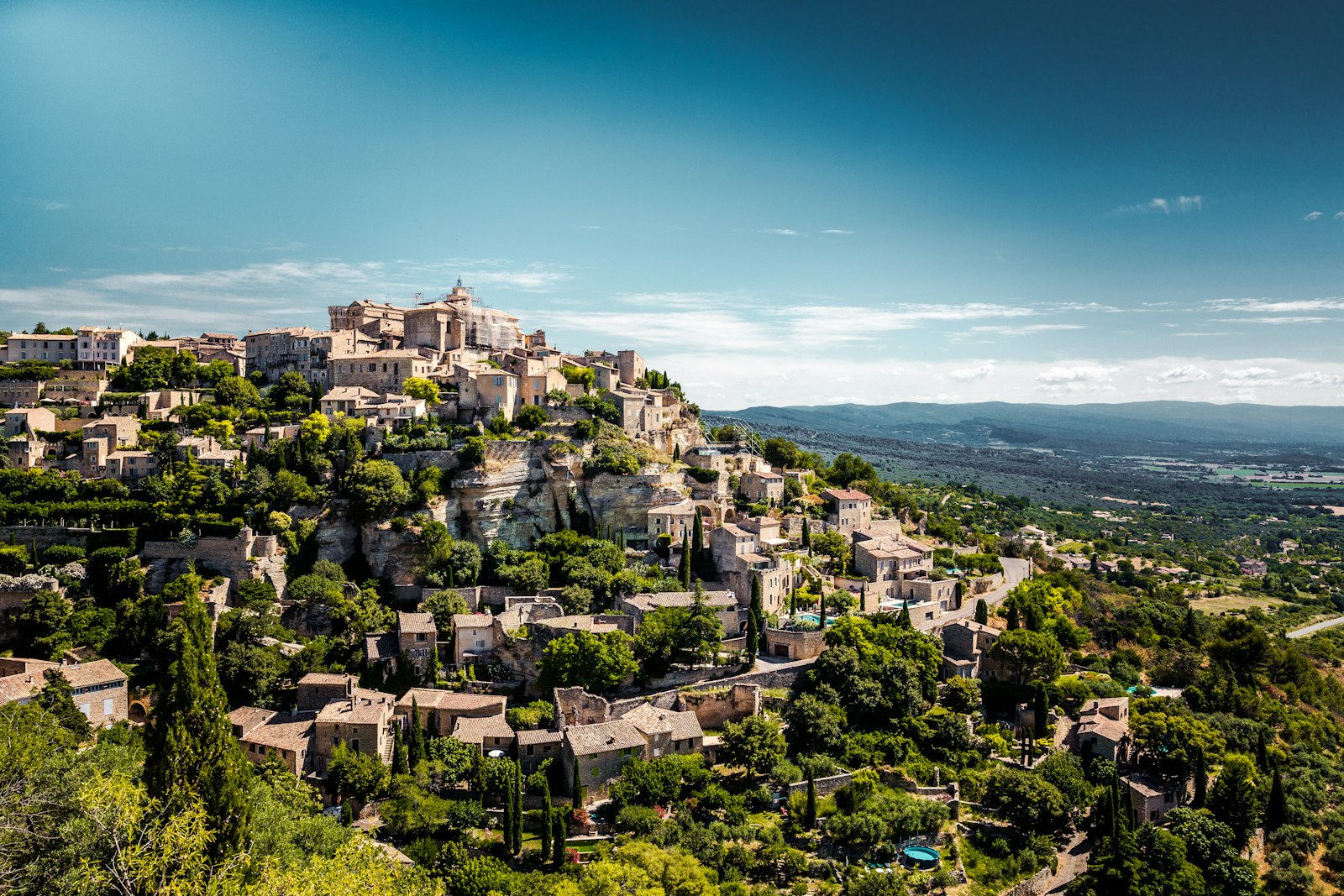
Climate, Landscapes, and the Art de Vivre
The Provencal art de vivre is not a marketing invention. It rests on real, measurable conditions: a long dry season, a mild winter, and a landscape that invites outdoor life almost year-round.
Weather and Seasonal Variations
The Mediterranean climate delivers hot, dry summers and mild, wet winters along the coast. Expect summer highs between 28 and 32°C in July and August, with sea temperatures often above 24°C. Winters on the coast rarely dip below 5°C at night, and daytime highs frequently reach 12 to 15°C in January. Head inland or up into the Alpine departments, and the picture changes: Briancon, at 1,326 meters, sees regular snowfall and winter lows below -5°C, while summer stays comfortably in the low 20s.
The mistral, a strong northwesterly wind, sweeps down the Rhone valley on average 100 days a year. It clears the sky, sharpens the light that painters like Cezanne and Van Gogh chased, and gives Provence its famously luminous days.
Forests, Mountains, and Beaches
PACA holds around 1.5 million hectares of forest, roughly half its surface. Pine, cork oak, and Aleppo pine dominate the coastal massifs; larch and spruce cover higher elevations. Four national or regional parks (Mercantour, Ecrins, Verdon, Calanques) protect landscapes ranging from turquoise gorges to alpine peaks above 4,000 meters.
The coastline itself is a study in variety. Sandy beaches stretch along the Var (Saint-Tropez, Sainte-Maxime), pebble coves define the Cote d’Azur east of Nice, and the dramatic white cliffs of the Calanques rise between Marseille and Cassis.
→ Good to know
If year-round outdoor living matters to you, favor the coastal band from Cassis to Menton or the sheltered valleys of the Luberon. Higher-altitude areas offer stunning summers but demand real winter preparation.
Weather, month by month
Average temperature and rainfall across the year (indicative climate normals, Marseille).
Economy, Demographics, and Employment
Beyond the postcard, Provence-Alpes-Cote-D’azur is one of France’s largest regional economies, with a GDP of roughly 180 billion euros and a population of around 5.1 million residents. Understanding its economic base helps you assess where value is likely to hold or grow.
Employment Basins
The regional economy rests on several distinct hubs, each with its own dynamic:
- Aix-Marseille-Provence: France’s second-largest metropolitan area, with strong sectors in shipping and logistics (Port of Marseille-Fos), aerospace, biotech, and higher education.
- Sophia Antipolis: Europe’s oldest technology park, near Nice, home to more than 2,500 companies in IT, life sciences, and energy.
- Nice-Cote d’Azur: Tourism, finance, and a growing tech scene, plus the second-busiest airport in France.
- Toulon: France’s main naval base and a strong defense industry cluster.
- Cadarache and the ITER project: A major international nuclear fusion research site in the Bouches-du-Rhone, drawing scientists and engineers from around the world.
Tourism remains a pillar, generating close to 20 billion euros a year and supporting employment across the region, from Michelin-starred kitchens to alpine ski schools.
Demographics
The population grows steadily, driven largely by internal migration from other French regions and a significant international community. The Alpes-Maritimes and Var departments hold particularly high shares of foreign residents, notably British, Belgian, Dutch, Scandinavian, and increasingly American buyers.
Where is Provence-Alpes-Côte d’Azur on the map?
Here is Provence-Alpes-Côte d’Azur outlined on the map of France.
Infrastructure and Accessibility
Ease of access matters enormously if you are buying a second home you plan to visit often, or relocating and keeping ties abroad. PACA is one of the best-connected regions in France.
Airports, TGV, and Borders
Three international airports anchor the region: Nice-Cote d’Azur (around 14 million passengers a year, direct flights to New York, Dubai, and most European capitals), Marseille-Provence (around 10 million passengers, strong European network), and Toulon-Hyeres for domestic and seasonal routes.
The TGV (France’s high-speed train) connects Paris to Marseille in 3 hours, to Aix-en-Provence in 3 hours, to Avignon in 2 hours 40 minutes, and to Nice in about 5 hours 30 minutes. Regional TER trains link coastal cities frequently.
By road, the A8 and A7 motorways run the length of the region, and the Italian border sits just past Menton, putting Ventimiglia, San Remo, and even Turin within reach for a weekend.
Health, Schools, and Services
The region hosts internationally recognized university hospitals in Marseille and Nice, several international schools (Mougins School, International School of Nice, EIB Monaco nearby), and a dense network of clinics, English-speaking doctors, and private practitioners, especially along the coast.
Main Cities and Property Market Overview
Property prices vary sharply across Provence-Alpes-Cote-D’azur. The coast commands a premium, hilltop villages hold value through scarcity, and inland towns often offer stronger relative value. The numbers below reflect average asking prices per square meter and should be treated as reference points, not fixed rules.
Reference Prices by City
| City | Avg. price / m² (apartments) | Avg. price / m² (houses) | Indicative gross rental yield |
|---|---|---|---|
| Nice | €5,000 to €7,500 | €6,500 to €10,000 | 3.5% to 4.5% |
| Cannes | €6,000 to €9,500 | €8,000 to €14,000 | 3% to 4% |
| Antibes | €5,500 to €8,000 | €7,500 to €12,000 | 3.5% to 4.5% |
| Aix-en-Provence | €5,000 to €7,000 | €6,000 to €9,000 | 3.5% to 4.5% |
| Marseille | €3,000 to €5,500 | €4,000 to €7,500 | 5% to 7% |
| Avignon | €2,200 to €3,500 | €2,800 to €4,500 | 5.5% to 7% |
| Saint-Tropez | €12,000 to €20,000 | €15,000 to €30,000+ | 2% to 3% |
| Menton | €4,500 to €7,000 | €6,000 to €10,000 | 3.5% to 4.5% |
Recent Market Evolution
Over the past five years, the coastal band from Cannes to Menton has seen cumulative price increases of roughly 15 to 25%, with a pronounced surge in the post-pandemic period. The Luberon and inland Provence saw similar dynamics, particularly for renovated stone farmhouses (mas) and hilltop village properties. Marseille, long undervalued relative to its size, has posted double-digit growth in certain neighborhoods such as the 7th and 8th arrondissements.
More recently, the market has entered a phase of stabilization, with a modest correction in some overheated micro-markets. This shift creates room for negotiation that did not exist a couple of years ago, especially on properties needing renovation.
→ On the ground
Price per square meter can vary by 40% between two streets in the same town. A trusted local advisor reads those micro-differences in ways a broad portal cannot.
Living in Provence-Alpes-Cote-D’azur: Five Reasons People Move Here
Beyond the numbers, what does daily life actually feel like? Here are five reasons buyers consistently give when they choose this region for their life project.
1. Climate and Outdoor Living
You can swim in the Mediterranean in June and ski in the Southern Alps in the same weekend. Sailing, hiking, cycling, golf, and paragliding are woven into the local calendar.
2. Food, Wine, and Markets
Weekly farmers’ markets in every town, Cotes de Provence and Bandol wines at your doorstep, olive oil pressed within a few kilometers of most inland villages, and a dense culinary scene ranging from Michelin stars to family-run bistrots.
3. Culture and Events
The Cannes Film Festival, the Avignon Theatre Festival, the Nice Carnival, the Aix Lyric Festival, jazz in Juan-les-Pins, and countless village fetes votives keep the cultural calendar full year-round.
4. Connectivity to the Rest of Europe and Beyond
Direct flights to major American, Middle Eastern, and European hubs make weekend travel practical. High-speed rail places you in Paris in about three hours from Marseille.
5. Quality of Health and Education
Excellent public and private hospitals, several international schools, and a well-developed network of English-speaking professionals reduce friction for international families.
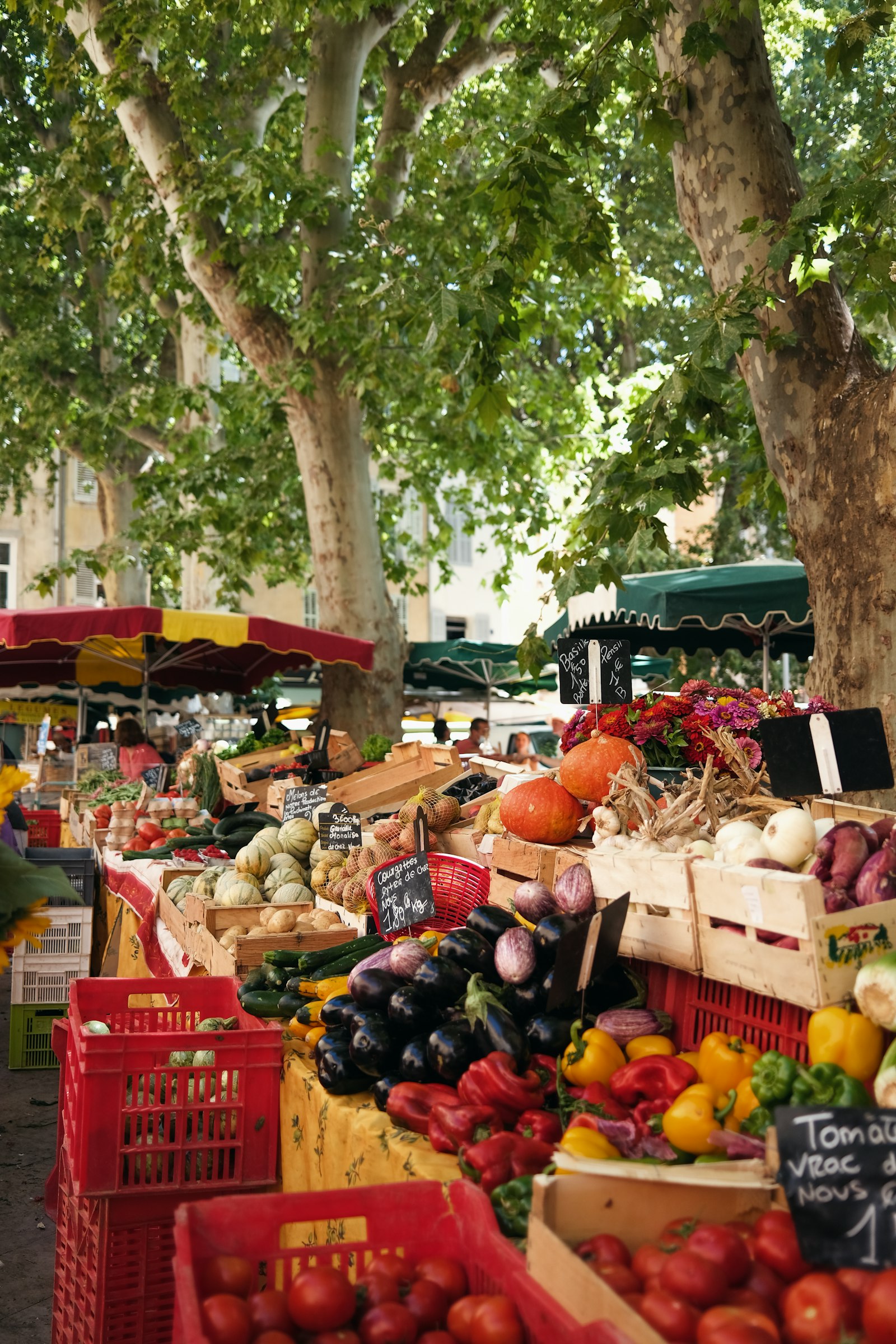
Activities, Customs, and Traditions
Life in PACA follows a distinct annual rhythm, marked by traditions that are still very much alive.
The Provencal Calendar
Spring brings almond and cherry blossoms in the Luberon and the reopening of coastal beach clubs. Summer is festival season, with the lavender bloom peaking in July around Valensole. Autumn is harvest time: grapes, olives, chestnuts, truffles from Richerenches. Winter turns quieter on the coast, livelier in the ski resorts, and features the santons nativity markets and the traditional treize desserts of a Provencal Christmas.
Local Customs
You will notice small habits quickly: the long midday pause in inland villages, the ritual of pastis before dinner, the boules courts under plane trees, the greetings with two or three kisses depending on which town you are in. These are not tourist clichés; they are the fabric of daily life.
Property Opportunities and Investment Angles
Provence-Alpes-Cote-D’azur is not a monolithic market. Different profiles find different value depending on their goals.
By Buyer Profile
- Second-home buyers seeking prestige and easy resale: Cap d’Antibes, Saint-Jean-Cap-Ferrat, Mougins, Saint-Tropez, Gordes.
- Families relocating with children: Aix-en-Provence, Valbonne, Mougins, Nice hills, coastal Var villages.
- Buyers focused on rental returns: Marseille (certain arrondissements), Avignon, Nice studios and one-bedrooms near the Promenade.
- Renovation and character projects: inland Vaucluse, Alpes-de-Haute-Provence, hilltop villages of the Var backcountry.
→ The key point
Define your priority (lifestyle, family use, rental, resale) before you look at a single listing. That single decision narrows the search from thousands of properties to a manageable shortlist.
Buying Process at a Glance
A French purchase moves through a compromis de vente (preliminary contract), a ten-day cooling-off period, and a final signing at the notaire (the public official who authenticates the deed and secures the transaction). Notaire fees generally run 7 to 8% of the purchase price for existing properties and 2 to 3% for new builds. Diagnostics, including the DPE (energy performance certificate), are mandatory and increasingly influence negotiation.
Is Provence-Alpes-Cote-D’azur Right for You? A 5-Question Quiz
Answer honestly. Count your answers by letter, then read the profile at the bottom.
1. What matters most to you in a French home?
a) Sea views and a lively social scene
b) Stone walls, cypress trees, and quiet villages
c) A city apartment with markets, culture, and cafes
d) Mountain air and outdoor sports
2. How often do you plan to be there?
a) A few weeks a year, ideally in summer
b) Several months a year, spread across seasons
c) Full-time relocation
d) Seasonal, tied to skiing or hiking
3. What is your budget range for the property?
a) Above €1.5 million
b) €600,000 to €1.5 million
c) €300,000 to €600,000
d) Under €300,000
4. How important is rental income during your absence?
a) Not important; privacy matters more
b) Nice to have, to cover charges
c) Central to the plan
d) Occasional, for peak weeks
5. How do you feel about renovation work?
a) I want turnkey, ready to enjoy
b) I’ll take on light cosmetic work
c) I’m open to a full renovation with the right guidance
d) I want a project I can shape from the ground up
Your Profile
Mostly A: The Cote d’Azur coast fits you. Look at Cannes, Cap d’Antibes, Roquebrune-Cap-Martin, Saint-Jean-Cap-Ferrat, or Saint-Tropez.
Mostly B: Inland Provence is calling. Explore the Luberon, the Alpilles, or the hills around Aix.
Mostly C: Urban Provence suits you. Marseille, Nice, Aix-en-Provence, or Avignon deserve a serious look.
Mostly D: The Alpine departments will feel like home. Consider Briancon, Serre Chevalier, or the Mercantour foothills.
Turning the Region Into Your French Home
Provence-Alpes-Cote-D’azur rewards buyers who take the time to understand its variety. The right village for you may sit fifteen kilometers from the one you first pictured, and the right property may need eyes on the ground to spot before it hits the broader market. Prices, orientation, noise, the DPE, the state of the roof, the neighbors, the walkability to a bakery: none of these show up cleanly in an online listing.
This is where local guidance becomes irreplaceable. A team that lives here reads the market in a way no algorithm can, and pairs that reading with the practical handling of every step: sourcing, negotiation, notaire, renovation, design, and furnishing. If your life project points toward the south of France, the next step is a conversation. Tell us what you picture, and we’ll bring clarity, a trusted network, and the peace of mind of a fully handled, turnkey project from first search to first dinner in your French home.